
Get involved!
Help us expand the Workers Control Archive!
If you think you have some interesting text or content is missing:
Get in contact ›››
Recommended articles
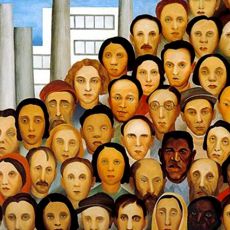 Brazilian teacher Henrique T. Novaes looks at advantages and limitations of the Latin American practice of workers trying to overcome capitalist work relations through the control of their workplaces.
|
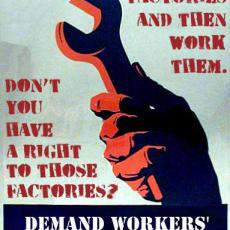 In regard to workplace occupations, the decision relates to workers’ assessments of their situation and their expectations about whether this will bring useful leverage.
|
 Robert Vitak
|
 Workers' management is not just a new administrative technique: it means that for the mass of people, new relations will have to develop with their work, the very content of work will have to alter.
|
- ‹‹
- 6 of 6