
Get involved!
Help us expand the Workers Control Archive!
If you think you have some interesting text or content is missing:
Get in contact ›››
Recommended articles
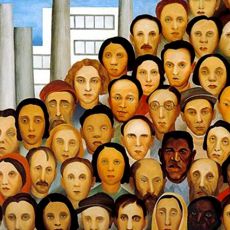 Brazilian teacher Henrique T. Novaes looks at advantages and limitations of the Latin American practice of workers trying to overcome capitalist work relations through the control of their workplaces.
|
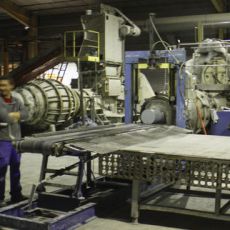 Certain changes to the cooperative form could permit the creation of enterprises that would not belong to anyone specifically but would be at the disposal of its users, workers and clients alike.
|
 An interview with members of a structure that provides solidarity financing for cooperatives and worker-run workplaces, to show the possibility of building a new economy.
|
 Workers' management is not just a new administrative technique: it means that for the mass of people, new relations will have to develop with their work, the very content of work will have to alter.
|
 Workers’ self-management is associated with times of social transformation. The state may chose to either restrict self-management or facilitate it so the conflict is institutionalised and contained.
|