
Get involved!
Help us expand the Workers Control Archive!
If you think you have some interesting text or content is missing:
Get in contact ›››
Recommended articles
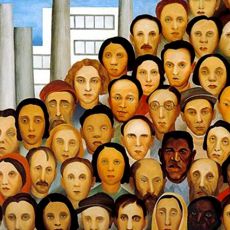 Brazilian teacher Henrique T. Novaes looks at advantages and limitations of the Latin American practice of workers trying to overcome capitalist work relations through the control of their workplaces.
|
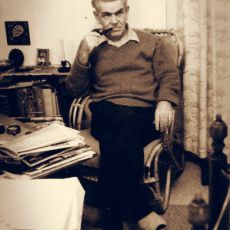 "The difference between councils and trade unions is that, while the latter lose their functions in a decaying capitalism, the former become a prefiguration of the organisation of socialist society."
|
 An article that analyses how far Argentina’s worker-recovered companies have become sustainable production models whilst maintaining their values of equity and workers’ self-management.
|
 When a factory in Thessaloniki was abandoned by its owners in May 2011, the workers decided to occupy it and resume production under workers’ control.
|
 An interview with members of a structure that provides solidarity financing for cooperatives and worker-run workplaces, to show the possibility of building a new economy.
|