
Get involved!
Help us expand the Workers Control Archive!
If you think you have some interesting text or content is missing:
Get in contact ›››
Recommended articles
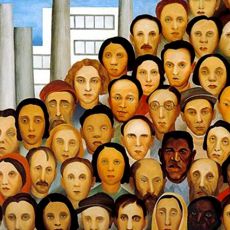 Brazilian teacher Henrique T. Novaes looks at advantages and limitations of the Latin American practice of workers trying to overcome capitalist work relations through the control of their workplaces.
|
 An interview with members of a structure that provides solidarity financing for cooperatives and worker-run workplaces, to show the possibility of building a new economy.
|
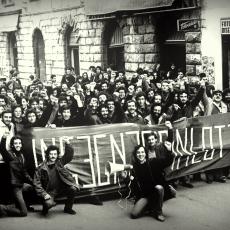 These theses written in the context of the 1970s 'autonomia operaia' in Italy intend to initiate a debate on workers’ control of the factories as a 'democratic and peaceful' road to socialism.
|
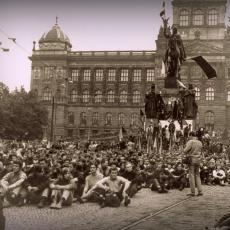 Robert Vitak
|
 An article that analyses how far Argentina’s worker-recovered companies have become sustainable production models whilst maintaining their values of equity and workers’ self-management.
|