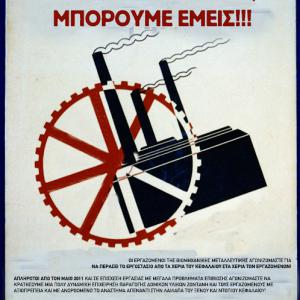

Get involved!
Help us expand the Workers Control Archive!
If you think you have some interesting text or content is missing:
Get in contact ›››
Recommended articles
 A historical overview of the rise and decline of the farmers' cooperative movement in Greece, as well as some early examples of worker-occupied businesses before the turn of the century.
|
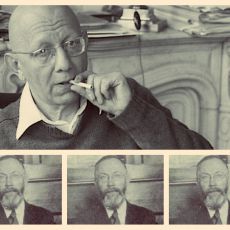 Castoriadis stresses his agreement with Pannekoek on the issue of the 'autonomy of the working class' and expresses his disagreement over the role of the revolutionary party.
|
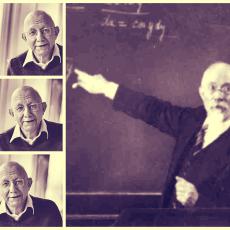 The two theorists, following different trajectories, reached a common conclusion: that the real content of socialism is the complete control of labour by the workers themselves.
|
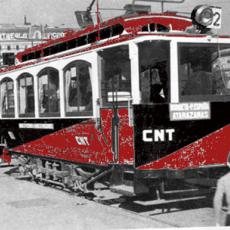 The history of worker management of Barcelona's transit system during the revolution and civil war is an illustration of the ability of workers to directly manage the industries where they work.
|
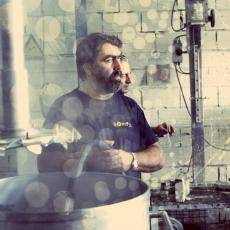 When a factory in Thessaloniki was abandoned by its owners in May 2011, the workers decided to occupy it and resume production under workers’ control.
|