


Get involved!
Help us expand the Workers Control Archive!
If you think you have some interesting text or content is missing:
Get in contact ›››
Recommended articles
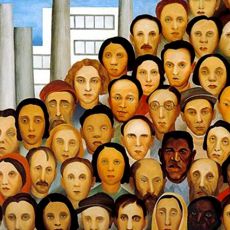 Brazilian teacher Henrique T. Novaes looks at advantages and limitations of the Latin American practice of workers trying to overcome capitalist work relations through the control of their workplaces.
|
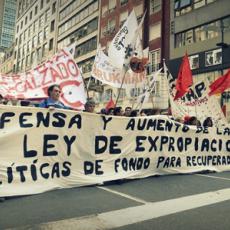 In Argentina, the government attempted to ‘institutionalise’ the occupied factories, de- politicising the radical aspects of workers’ actions in exchange for financial and technical assistance.
|
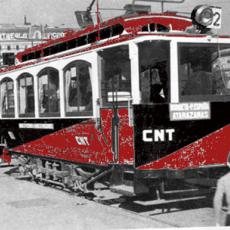 The history of worker management of Barcelona's transit system during the revolution and civil war is an illustration of the ability of workers to directly manage the industries where they work.
|
 Certain changes to the cooperative form could permit the creation of enterprises that would not belong to anyone specifically but would be at the disposal of its users, workers and clients alike.
|
 Robert Vitak
|